
- All
- Product Name
- Product Keyword
- Product Model
- Product Summary
- Product Description
- Multi Field Search
Views: 0 Author: Site Editor Publish Time: 2026-04-02 Origin: Site


Selecting the right manual folding wheelchair for an individual is essential for ensuring both comfort and mobility. From our experience, many users and caregivers make the mistake of choosing a wheelchair based on general assumptions rather than accurate measurements. A well-fitted wheelchair can significantly improve the user’s overall experience, reducing the risk of discomfort, pressure sores, and restricted movement.
In this article, we will guide you through the process of measuring a user for a manual folding wheelchair, step by step. We’ll discuss the key dimensions that need to be taken into account and explain why these measurements are so crucial. By the end of this article, you’ll have a clear understanding of how to measure for a manual folding wheelchair properly, ensuring the best fit for the user.
A manual folding wheelchair is an important investment in a person’s independence and daily life. However, improper fit can lead to various health and comfort issues, including back pain, poor posture, and restricted blood circulation. Therefore, correct measurements are essential for:
· Ensuring comfort during daily use
· Minimizing injury risks like pressure sores
· Providing optimal support for the user’s body
· Ensuring maximum mobility and ease of movement
When the wheelchair is the correct size, the user will have greater control, less strain, and improved overall well-being.
To ensure that you select the right wheelchair for the user, you must take specific measurements. These include seat width, depth, height, backrest height, and footrest height. Let's break down each measurement and explain how to accurately take them.
The seat width is one of the most important measurements because it determines how comfortable the user will be while sitting in the wheelchair. If the seat is too wide, the user will not have the necessary support, while a seat that is too narrow can cause discomfort and restrict movement.
How to Measure:
· Have the user sit comfortably with their back against a wall or chair.
· Measure the width of the hips from one side to the other at the widest point, adding about 1 to 2 inches for comfort. This will ensure the user is not confined by the wheelchair’s seat.
Why It Matters:
A proper seat width allows the user to sit comfortably with adequate support for their body, reducing the risk of pressure sores and improving overall posture.
Seat depth refers to the distance from the back of the seat to the back of the knee. Proper seat depth allows the user to sit with their back against the backrest while ensuring that their thighs are fully supported.
How to Measure:
· Ask the user to sit back in a chair with their hips against the backrest.
· Measure from the back of the knee to the rear part of the seat.
· Subtract about 1 to 2 inches to prevent the knees from being too far forward.
Why It Matters:
A seat that is too deep may cause the user to slide forward, leading to pressure on the tailbone, while a shallow seat could cause discomfort at the knees.
The height of the seat from the ground is important for ensuring that the user can easily transfer in and out of the wheelchair. A correct seat height will also help with positioning the legs at an appropriate angle.
How to Measure:
· With the user sitting upright, measure the distance from the floor to the back of their knee (with their feet flat on the ground).
· Add 1 to 2 inches for added comfort, depending on the type of wheelchair and leg positioning.
Why It Matters:
Correct seat height ensures that the user’s feet remain flat on the floor when seated, which helps with overall posture and leg circulation.
The backrest height will affect the support the wheelchair provides to the user’s back and shoulders. A backrest that is too high can restrict the arms, while one that is too low may not provide sufficient support.
How to Measure:
· Measure from the seat’s top edge to the point where the user’s shoulder blades or upper back meet the backrest when they are sitting up straight.
· If the user requires additional support, a higher backrest may be necessary.
Why It Matters:
A properly sized backrest helps with spinal alignment and provides adequate support to prevent discomfort.
Footrest height ensures that the user’s legs are properly supported and that the feet are not hanging loosely. Proper footrest height reduces the risk of foot or ankle swelling and ensures comfort during long periods of sitting.
How to Measure:
· Have the user sit with their feet flat on the floor and knees bent at a 90-degree angle.
· Measure the distance from the floor to the user’s calf or footrest level.
· Ensure the footrest height allows for comfortable leg positioning without causing pressure or strain.
Why It Matters:
Correct footrest height prevents the legs from dangling and helps with proper circulation and comfort.
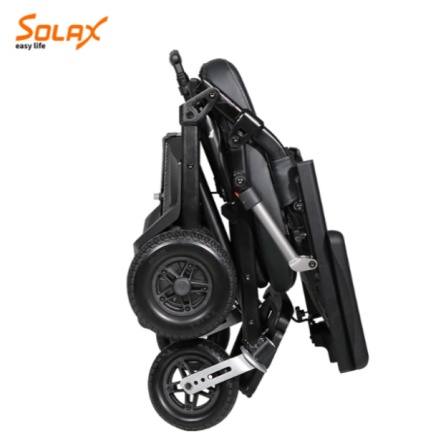
When it comes to choosing the right manual folding wheelchair, it's not just about getting the measurements right—it’s about ensuring the user’s comfort and optimizing the wheelchair's function. The best fit is one that promotes healthy posture, provides stability, and enables easy movement while preventing discomfort over time. Correct measurements help in distributing the user’s weight evenly, which ultimately improves both comfort and mobility.
A wheelchair that fits poorly can cause a range of issues, including back pain, improper posture, and restricted circulation. By ensuring the user’s body is properly aligned and supported, the wheelchair can prevent these problems and make daily use much more comfortable. Additionally, comfort plays a big role in reducing fatigue during long periods of use, which is why paying attention to specific measurements is crucial.
When the wheelchair is correctly measured for the user, it promotes:
· Correct posture: Reducing strain on the back, shoulders, and neck
· Even weight distribution: Minimizing the risk of pressure sores and discomfort
· Easy movement: Ensuring that the user has enough space to maneuver easily and maintain balance
Measurement | How to Measure | Why It Matters |
Seat Width | Measure across the widest part of the hips + 1–2 inches | Ensures comfort and support for the user’s body |
Seat Depth | Measure from the back of the knee to the rear part of the seat | Ensures proper thigh support and comfort |
Seat Height | Measure from the floor to the back of the knee + 1–2 inches | Ensures proper leg positioning and easy transfers |
Backrest Height | Measure from the seat’s top edge to the shoulder blades or upper back | Provides adequate back support and prevents discomfort |
Footrest Height | Measure from the floor to the calf or footrest level | Ensures comfort and proper leg support |
The right measurements can also reduce the risk of common issues such as muscle strain, skin irritation, and joint discomfort. A wheelchair that is appropriately sized for the user helps in promoting independence, as it allows for easier transfers and a more natural, comfortable sitting position.
By keeping these key factors in mind, users can enjoy a much better overall experience, from daily activities to longer periods of mobility, without sacrificing comfort or function.
Choosing the right manual folding wheelchair and accurately measuring for it can drastically improve the user’s experience, comfort, and mobility. Whether the wheelchair is used for daily activities or extended periods, proper measurements reduce the risk of discomfort, pressure sores, and other mobility-related issues.
From our perspective at Guangdong Prestige Technology Co., Ltd., we understand the importance of providing high-quality, customizable wheelchairs that meet each individual’s unique needs. By following this guide, you can ensure the best fit for users, promoting a more independent and comfortable lifestyle. If you need further assistance or want to learn more about our range of wheelchairs, don’t hesitate to contact us for expert advice and recommendations.
Seat width ensures that the user is comfortably supported without being cramped, which helps prevent pressure sores and promotes proper posture.
Seat depth should be measured to support the user’s thighs without pressing against the back of their knees. Too deep can cause discomfort, while too shallow may lead to poor posture.
If the user requires extra back support, opt for a higher backrest to provide adequate spinal alignment and comfort.
It’s important to periodically check the measurements, especially if the user’s body changes, to ensure continued comfort and functionality.


